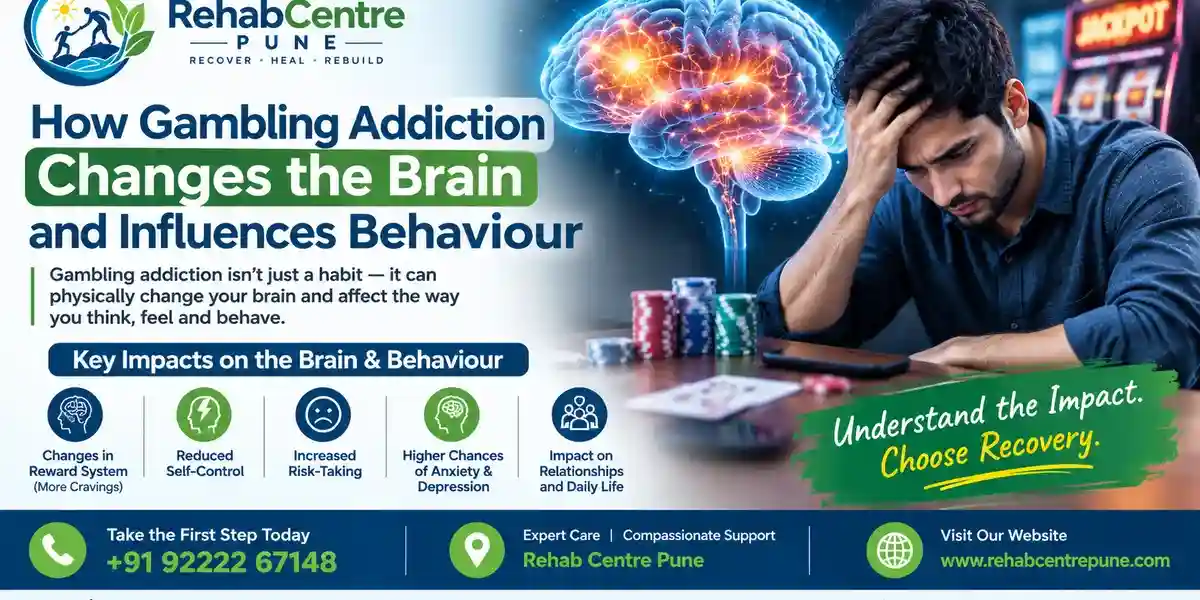
Gambling may begin as a form of entertainment, excitement or a way to win money. However, for some individuals, occasional gambling gradually develops into a compulsive habit that becomes difficult to control. Over time, gambling addiction can affect brain functioning, emotional health, decision-making and personal relationships. What may initially seem like a harmless activity can eventually influence everyday behaviour and financial stability.
Understanding the effects of gambling on the brain is important because gambling addiction is not simply a matter of poor self-control. It involves changes in the brain’s reward system, impulse regulation and decision-making processes. These changes can make a person continue gambling even when they experience financial losses, emotional distress or family problems.
Recognising the signs of gambling addiction and seeking appropriate professional support can help individuals regain control and work towards recovery.
Struggling with Gambling Addiction? Get Professional Support
If gambling is affecting your decisions, emotional well-being or daily life, professional guidance can help you understand addictive behaviours, manage gambling cravings and explore appropriate treatment and recovery options.
CALL NOW – 8506085075What Is Gambling Addiction?
Gambling addiction, also known as gambling disorder or compulsive gambling, is a behavioural condition in which an individual repeatedly engages in gambling despite negative consequences. A person may struggle to stop betting, playing online games for money, visiting casinos or participating in other forms of gambling.
Unlike occasional recreational gambling, compulsive gambling involves persistent urges and difficulty controlling the behaviour. Individuals may continue gambling to recover previous losses, experience excitement or temporarily escape emotional difficulties.
Some common gambling activities associated with addictive behaviour include:
- Online betting and sports betting
- Casino games and slot machines
- Poker and card games involving money
- Online gambling applications
- Lottery and other money-based betting activities
Understanding the gambling causes and behavioural patterns can help individuals and their families recognise when professional intervention may be necessary.
How Gambling Addiction Changes the Brain
Gambling activates several areas of the brain associated with pleasure, motivation, learning and decision-making. Repeated gambling can reinforce reward-seeking behaviour, making individuals increasingly focused on the excitement associated with betting.
1. Changes in the Brain’s Reward System
The brain contains a reward system that motivates people to repeat activities associated with pleasure and satisfaction. Dopamine, a neurotransmitter involved in motivation and reward learning, plays an important role in this process.
When someone gambles and experiences an unexpected win, the brain may respond with increased reward-related activity. Over time, the anticipation of winning can itself become highly motivating.
This can create a cycle in which individuals repeatedly seek the excitement associated with gambling, even after experiencing significant losses.
2. Difficulty Controlling Impulses
The prefrontal cortex is involved in planning, judgement, decision-making and impulse control. Gambling addiction is associated with changes in the functioning of brain networks involved in these processes.
As a result, individuals may struggle to consider long-term consequences before making gambling-related decisions.
For example, someone may promise to stop betting but return to gambling when they experience stress, excitement or an opportunity to place another bet.
3. Increased Risk-Taking Behaviour
Repeated gambling can influence how individuals evaluate risk and reward. They may begin focusing more on possible winnings than the likelihood of losing money.
This can lead to risky decisions, including borrowing money, hiding financial losses or using savings to continue gambling.
Such behaviour may gradually affect personal responsibilities, relationships and financial security.
4. Difficulty Learning from Losses
One of the important behavioural patterns associated with gambling addiction is chasing losses.
After losing money, an individual may believe that another bet will help recover previous losses. Instead of accepting the loss, they continue gambling in the hope of achieving a different outcome.
This pattern can reinforce compulsive gambling and make it increasingly difficult to stop.
How Gambling Addiction Influences Everyday Behaviour
The effects of gambling addiction are not limited to the brain. Over time, compulsive gambling can influence emotional responses, social interactions and daily routines.
Some common behavioural changes include:
- Frequent gambling thoughts: Individuals may spend considerable time thinking about betting or planning their next gambling activity.
- Lying and secrecy: A person may hide gambling activities, financial losses or the amount of time spent gambling.
- Financial irresponsibility: Savings may be used for betting, while bills and other important expenses are neglected.
- Emotional instability: Gambling losses may trigger frustration, anxiety, guilt or irritability.
- Social withdrawal: Individuals may avoid family members and friends to conceal their gambling habits.
- Neglecting responsibilities: Work, education and household duties may receive less attention.
Recognising these behavioural changes early can help families encourage individuals to seek professional support.
Common Signs and Symptoms of Gambling Addiction
Identifying the warning signs of gambling addiction is an important step towards recovery. Not everyone experiences the same symptoms, but certain patterns may indicate that gambling is becoming difficult to control.
Common signs include:
- Constantly thinking about gambling or planning future bets.
- Increasing the amount of money wagered to experience excitement.
- Repeatedly attempting to stop gambling without success.
- Feeling restless or irritable when trying to reduce gambling.
- Gambling to escape stress, sadness or other emotional difficulties.
- Chasing financial losses through additional betting.
- Hiding gambling activities from family members.
- Borrowing money or experiencing financial difficulties because of gambling.
- Damaging personal relationships due to gambling behaviour.
- Neglecting work, studies or everyday responsibilities.
Experiencing these signs does not automatically establish a diagnosis. A qualified mental health professional can assess the individual’s behaviour and determine the appropriate support.
What Causes Gambling Addiction?
There is no single explanation for why someone develops gambling addiction. Several psychological, environmental and biological factors may contribute to the condition.
1. Psychological Factors
Stress, anxiety, depression, loneliness and emotional difficulties may increase vulnerability to problematic gambling. Some individuals use gambling as a temporary escape from uncomfortable emotions.
2. Brain Reward Mechanisms
The anticipation of winning and unpredictable rewards can reinforce gambling behaviour. Repeated exposure may strengthen the desire to continue gambling.
3. Environmental Influences
Easy access to online betting platforms, exposure to gambling advertisements and social pressure may encourage repeated gambling.
4. Financial Expectations
Some individuals begin gambling because they believe it offers a quick way to earn money or solve financial difficulties. Repeated losses can make this behaviour increasingly harmful.
Understanding these gambling causes can help professionals develop appropriate treatment and recovery strategies.
Understanding Gambling Cravings and Triggers
Gambling cravings are strong urges or desires to participate in betting activities. These urges may occur even when someone genuinely wants to stop gambling.
Certain situations can trigger gambling cravings, including:
- Seeing gambling advertisements or betting applications.
- Watching sports events associated with betting.
- Experiencing financial stress or emotional difficulties.
- Feeling bored, lonely or frustrated.
- Remembering previous gambling wins.
- Spending time with people who frequently gamble.
Learning to identify triggers is an important part of recovery. Individuals can work with mental health professionals to develop healthier coping strategies, manage emotional responses and reduce exposure to situations that encourage gambling.
Cognitive Behavioral Therapy for Gambling Addiction
Cognitive Behavioral Therapy for gambling addiction (CBT) is an evidence-based psychological treatment that helps individuals understand and change unhealthy thinking patterns and behaviours associated with gambling.
CBT focuses on identifying the thoughts, emotions and situations that contribute to compulsive gambling.
Some important aspects of CBT include:
1. Identifying Unhelpful Thoughts: Individuals learn to recognise beliefs such as thinking they can recover every financial loss through another bet or that a winning streak is guaranteed.
2. Managing Gambling Triggers: Therapy helps individuals identify situations that increase gambling urges and develop practical ways to respond to them.
3. Developing Impulse Control: Individuals learn techniques to pause before acting on gambling urges and make healthier decisions.
4. Building Healthy Coping Mechanisms: CBT encourages activities such as exercise, relaxation techniques, structured routines and positive social interactions.
5. Preventing Relapse: Individuals learn to recognise warning signs and prepare strategies to manage cravings and challenging situations.
Depending on the individual’s needs, treatment may also include motivational approaches, family counselling, peer support and assessment for co-occurring mental health conditions.
How Professional Treatment Can Help With Gambling Addiction
Recovering from gambling addiction often requires more than simply deciding to stop. Professional treatment provides structured guidance and emotional support to help individuals understand their behaviour and develop healthier habits.
A suitable treatment programme may include:
- Psychological assessment and individual counselling.
- Cognitive Behavioral Therapy.
- Emotional and stress management.
- Family counselling and relationship support.
- Relapse prevention planning.
- Structured daily routines and wellness activities.
- Support for associated anxiety, depression or other mental health concerns.
Individuals searching for a Rehab centre near me should consider professional facilities that offer appropriate psychological support and personalised treatment plans.
A qualified Nasha Mukti Kendra or Vyasan Mukti Kendra may also help individuals access addiction-related counselling and rehabilitation services. However, it is important to choose a centre with suitable experience in behavioural addictions rather than assuming that every substance-use treatment programme addresses gambling disorder.
Similarly, a Gaming Addiction Treatment Centre generally focuses on problematic gaming behaviour. Gambling disorder and gaming disorder are different conditions, so the treatment approach should match the individual’s specific needs.
When Should You Seek Professional Help?
Professional help should be considered when gambling starts affecting financial stability, relationships, emotional well-being or everyday responsibilities.
Do not wait until the situation becomes severe. Early intervention can help individuals understand their triggers, manage gambling cravings and work towards healthier behavioural patterns.
Family members can also play an important role by offering emotional support, encouraging professional assessment and avoiding judgement or blame.
If gambling-related distress leads to thoughts of self-harm or suicide, seek immediate emergency mental health support
Looking for Care Near You in Pune?
Explore our rehab centre locations across Pune and find the one closest to you.
Conclusion
Gambling addiction can influence the brain’s reward system, impulse control, decision-making and emotional regulation. Over time, these changes may contribute to compulsive behaviour, financial difficulties and strained personal relationships.
However, recovery is possible with appropriate professional guidance, behavioural therapy and continued support. Understanding the warning signs, identifying gambling cravings and addressing the underlying causes are important steps towards long-term improvement.
At Rehab Centre Pune, individuals and families can explore appropriate professional support for addiction-related concerns. Seeking guidance from qualified mental health professionals can help individuals take informed steps towards a healthier and more balanced life.