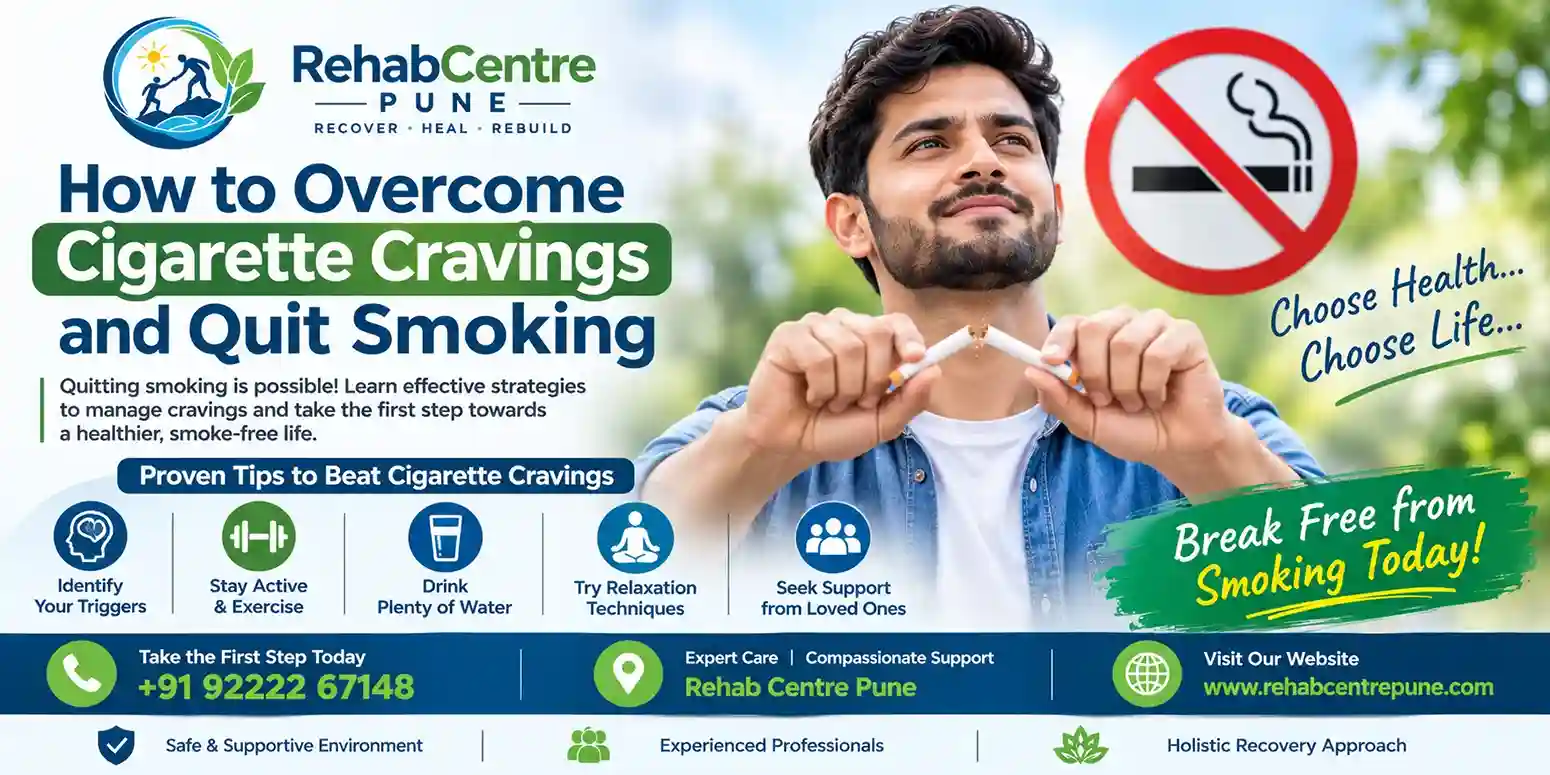
Smoking is a habit that can gradually affect physical health, emotional well-being, and everyday life. Many people want to quit but struggle with repeated urges to smoke. These urges, commonly known as cigarette cravings, can occur during stressful situations, after meals, while drinking tea or coffee, or when spending time with other smokers.
Understanding how to overcome cigarette cravings is an important step towards breaking nicotine dependence and developing a healthier lifestyle. Although quitting can be challenging, the right strategies, medical guidance, and emotional support can make the process easier.
Learning how to quit smoking cigarettes requires patience, consistency, and a clear recovery plan. Whether someone has been smoking for a few months or several years, making small but consistent changes can help them move towards a smoke-free life.
Why Is It Difficult to Quit Smoking?
Cigarettes contain nicotine, an addictive substance that affects the brain’s reward system. When a person smokes, nicotine reaches the brain quickly and produces temporary feelings of pleasure or relaxation.
Over time, the brain becomes accustomed to nicotine. When someone stops smoking, nicotine levels decrease, which can cause cravings, irritability, restlessness, difficulty concentrating, and mood changes.
Smoking can also become connected to everyday routines. For example, a person may automatically reach for a cigarette after meals, during work breaks, or when experiencing stress.
This combination of physical dependence and behavioural habits makes quitting difficult. Recognising these triggers is the first step towards finding effective ways to stop smoking.
1. Identify Your Smoking Triggers
One of the most important steps towards quitting is understanding when and why you feel the urge to smoke.
Common smoking triggers include:
- Stress, anxiety, or emotional pressure.
- Drinking tea or coffee.
- Taking breaks at work.
- Spending time with friends who smoke.
- Feeling bored or lonely.
- Smoking immediately after meals.
- Drinking alcohol or visiting places associated with smoking.
Maintain a smoking diary to record when cravings occur and what situations trigger them. This can help you recognise patterns and prepare healthier alternatives.
Once you understand your triggers, you can develop strategies to avoid situations that encourage smoking.
2. Learn How to Control Cigarette Cravings
Cigarette cravings can feel intense, but they generally pass if you avoid acting on them. Instead of immediately reaching for a cigarette, try changing your activity or environment.
Here are some practical techniques to help you understand how to control cigarette cravings:
Follow the delay technique: When a craving starts, delay smoking for five to ten minutes. Use that time to walk, drink water, or practise deep breathing.
Drink water: Sipping water slowly can keep your mouth occupied and provide a healthier alternative to smoking.
Practise deep breathing: Take slow breaths through your nose and gently release them through your mouth. This can help reduce tension and promote relaxation.
Chew sugar-free gum: Chewing gum or eating a healthy snack can provide an alternative oral activity.
Change your surroundings: Move away from smoking areas or situations that encourage cigarette use.
These simple techniques are useful tips to quit smoking and can help you develop healthier responses whenever cravings occur.
3. Replace Smoking Habits With Healthy Activities
Smoking often becomes part of a person’s daily routine. Replacing these habits with positive activities can make quitting easier.
Consider incorporating the following activities into your lifestyle:
- Go for a morning or evening walk.
- Practise yoga or meditation.
- Engage in hobbies such as reading, gardening, or music.
- Spend time with family and supportive friends.
- Maintain a regular sleep schedule.
- Participate in physical activities suitable for your fitness level.
Exercise can help manage stress, improve mood, and provide a positive distraction when cravings occur.
Building a healthier routine is an important part of understanding how to stop cigarette addiction and maintaining long-term progress.
4. Understand Nicotine Withdrawal Symptoms
When someone stops smoking, the body begins adjusting to the absence of nicotine. During this period, withdrawal symptoms may occur.
Common nicotine withdrawal symptoms include:
- Strong urges to smoke.
- Irritability and mood changes.
- Headaches.
- Difficulty concentrating.
- Increased appetite.
- Restlessness or anxiety.
- Trouble sleeping.
These symptoms are often strongest during the first few days and gradually become easier for many people over the following weeks. However, the experience varies from person to person.
It is important to understand that withdrawal symptoms are a part of nicotine dependence recovery. If symptoms become difficult to manage, consult a qualified healthcare professional for guidance.
5. Can Medicine Help You Stop Smoking?
Some people find it difficult to quit through lifestyle changes alone. In such situations, healthcare professionals may recommend suitable smoking cessation treatments.
If you are searching online for medicine for stop smoking, it is important to understand that different treatment options are available depending on your health, smoking history, and level of nicotine dependence.
Some commonly used options include:
Nicotine Replacement Therapy (NRT): Products such as nicotine patches, gums, and lozenges provide controlled amounts of nicotine without exposing the body to cigarette smoke. They can help reduce cravings and withdrawal symptoms.
Prescription medicines: Certain medicines, such as varenicline and bupropion, may help reduce nicotine cravings and support smoking cessation. These medicines should only be used under medical supervision.
Behavioural counselling: Counselling can help individuals understand their smoking triggers, manage emotional difficulties, and develop healthier coping strategies.
Combining appropriate medication with behavioural support may improve the chances of successfully quitting smoking. Avoid self-medicating or taking medicines based on recommendations from others.
6. Understand the Benefits of Quitting Smoking
Stopping smoking can bring several health improvements. Although recovery takes time, the body begins responding positively after the last cigarette.
Some important benefits of quitting smoking include:
- Improved blood circulation and oxygen levels.
- Better lung function over time.
- Reduced coughing and breathing difficulties.
- Improved sense of taste and smell.
- Lower risk of heart disease and stroke over time.
- Reduced exposure to harmful chemicals in cigarette smoke.
- Better overall quality of life.
Quitting smoking can also benefit family members by reducing their exposure to second-hand smoke.
The health improvements may vary depending on age, smoking history, and existing medical conditions. However, quitting at any stage can be beneficial.
7. Seek Professional Support for Cigarette Addiction
For some individuals, cigarette addiction is connected to stress, anxiety, emotional difficulties, or other substance-use concerns. In these situations, professional support can help address the underlying factors contributing to smoking.
A structured treatment approach may include:
- Assessment of nicotine dependence.
- Individual counselling sessions.
- Behavioural therapy and coping strategies.
- Guidance for managing cravings and withdrawal.
- Relapse-prevention planning.
- Family support and lifestyle guidance.
If repeated attempts to quit have been unsuccessful, seeking professional assistance can be a positive step.
A Rehab centre in pune may help individuals access appropriate addiction-related assessments, counselling, and recovery support, depending on the services offered. People searching for a rehab centre near me should check whether the facility provides smoking cessation support and treatment suited to their individual needs.
Professional guidance can help individuals understand their dependence and explore suitable treatment options. Asking for help is not a sign of weakness; it is a practical step towards improving health and well-being.
8. How to Avoid Relapse After Quitting Smoking
Quitting smoking is an important achievement, but maintaining a smoke-free lifestyle requires continued effort.
A temporary craving does not mean that you have failed. The important thing is to respond to it without returning to regular smoking.
Here are some ways to reduce the risk of relapse:
- Avoid keeping cigarettes, lighters, or ashtrays at home.
- Stay away from situations that strongly encourage smoking, especially during early recovery.
- Inform friends and family that you are trying to quit.
- Follow a healthy daily routine.
- Manage stress through relaxation techniques and physical activity.
- Celebrate milestones, such as one smoke-free day, week, or month.
- Seek professional guidance if cravings become difficult to manage.
If you smoke again after quitting, do not give up. Identify what triggered the situation, learn from the experience, and return to your quitting plan.
When Should You Seek Help for Smoking Addiction?
Consider professional support if:
- You have repeatedly tried to quit but started smoking again.
- You experience strong nicotine cravings throughout the day.
- Smoking is affecting your physical health or relationships.
- You find it difficult to manage withdrawal symptoms.
- You use cigarettes to cope with stress or emotional difficulties.
- Smoking has become difficult to control despite wanting to stop.
Early support can help individuals understand their dependence and explore appropriate treatment options.
Conclusion
Learning how to overcome cigarette cravings is a gradual process that requires patience, commitment, and the right support. Identifying smoking triggers, developing healthier habits, managing withdrawal symptoms, and seeking medical guidance can make quitting more manageable.
There is no single approach that works for everyone. Some people benefit from behavioural changes, while others may need counselling, nicotine replacement therapy, or prescription treatment.
The most important step is to begin. With consistent effort and appropriate professional support, it is possible to break nicotine dependence and work towards a healthier, smoke-free future.
Frequently Asked Questions (FAQs)
1. How long do cigarette cravings last after quitting?
Individual cravings often last only a few minutes, although they may occur repeatedly. Their frequency and intensity generally decrease over time as the body adjusts to the absence of nicotine.
2. What are the best ways to stop smoking?
Some helpful approaches include identifying smoking triggers, practising deep breathing, exercising, using nicotine replacement therapy when appropriate, and seeking behavioural counselling.
3. How can I control cigarette cravings naturally?
You can try drinking water, chewing sugar-free gum, walking, practising meditation, and avoiding situations that trigger the urge to smoke.
4. Is medicine available to stop smoking?
Yes. Nicotine replacement products and certain prescription medicines can support smoking cessation. Consult a qualified healthcare professional before starting any medication.
5. Can a rehabilitation centre help with cigarette addiction?
Some rehabilitation centres provide addiction assessments, counselling, behavioural support, and recovery guidance. Contact the facility to confirm whether it offers a dedicated smoking cessation programme.
6. What are the benefits of quitting smoking?
Quitting smoking can improve circulation, support better lung function, improve taste and smell, and reduce the risk of several smoking-related diseases over time.
7. Is it possible to quit smoking after many years?
Yes. People can benefit from quitting regardless of how long they have smoked. A personalised quitting plan and appropriate professional support can make the process easier.