Video Game Addiction & Internet Gaming Disorder Treatment in Pune
Excessive or compulsive use of gaming, social media, or the internet can affect sleep, relationships, and daily functioning. Structured behavioral support can help individuals and families address these patterns.
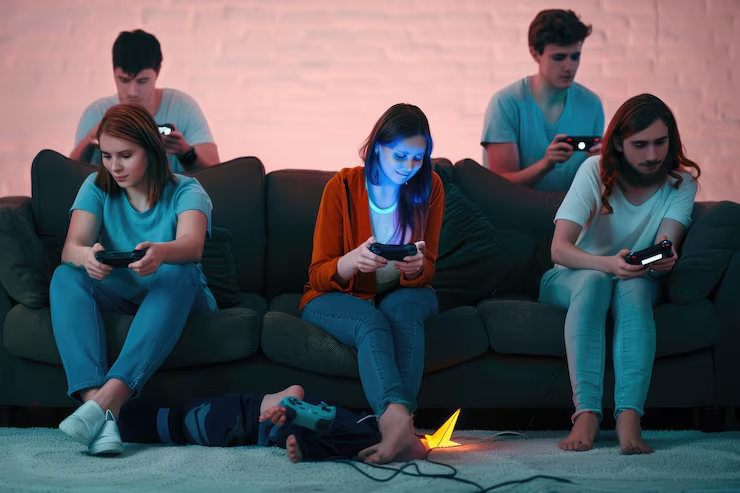
Digital, Gaming & Internet Addiction Support
Introduction
Internet gaming has become one of the most common digital habits among teenagers and adults alike — but for a growing number of people, it crosses into video game addiction, a pattern of compulsive play that affects sleep, relationships, work, and school. The World Health Organization now formally recognizes internet gaming disorder as a behavioral health condition, characterized by loss of control over gaming, prioritizing gaming over other activities, and continuing to play despite negative consequences.
If gaming has stopped being a hobby and started controlling daily life, professional video game addiction treatment can help. Our team offers confidential assessment, individual and family counseling, and structured video game addiction therapy for both adolescents and adults across Pune.
Signs & Symptoms of Video Game Addiction
Recognizing video game addiction symptoms and treatment needs early can prevent the condition from deepening. Common signs of internet gaming disorder include:
- Inability to reduce or stop gaming despite repeated attempts
- Loss of interest in previously enjoyed activities, hobbies, or friendships
- Continuing to game despite awareness of negative consequences (poor grades, job loss, relationship strain)
- Using gaming to escape or relieve negative moods (stress, guilt, anxiety)
- Lying to family members or others about the amount of time spent gaming
- Withdrawal symptoms — irritability, anxiety, or sadness — when gaming is restricted
- Disrupted sleep patterns, missed meals, or neglect of personal hygiene
- Risk to or loss of a significant relationship, job, or educational opportunity due to gaming
If several of these patterns have persisted for 12 months or more, a formal evaluation for internet gaming disorder is recommended.
Treatment & Support Services
Behavioral Assessment
A structured evaluation of gaming patterns, triggers, and the impact of internet gaming on sleep, relationships, and daily functioning — the first step in any computer game addiction treatment plan.
Individual Counseling
One-on-one video game addiction therapy to address underlying drivers such as stress, social anxiety, low self-esteem, or avoidance behaviors.
Cognitive Behavioral Approaches
Evidence-based CBT techniques to identify triggers and build alternative coping strategies — a core component of effective video game addiction treatment.
Family Counseling
Especially important for teenagers with internet gaming disorder, family sessions help establish healthy boundaries, ground rules, and better communication at home.
Healthy Routine Planning
Support in rebuilding daily structure — sleep, physical activity, and offline social engagement — to replace time previously spent gaming.
Ongoing Support & Relapse Prevention
Periodic follow-up sessions to sustain healthier digital habits and prevent relapse into compulsive gaming patterns.
Why Choose Our Gaming Addiction Program
- Specialized experience in treating video game addiction and internet gaming disorder in both teenagers and adults
- Family-inclusive approach, recognizing the critical role parents and households play in recovery
- Evidence-based therapy, not just device restriction or "cold turkey" bans
- Non-judgmental, confidential care for an often-misunderstood condition
- Individualized treatment plans based on age, severity, and co-occurring concerns
- Continuity of care through structured follow-up after the initial program
Treatment Process
Initial Assessment
Understanding gaming patterns, severity, and impact on daily life.
Personalized Care Planning
A treatment plan shaped by age, circumstances, and goals.
Individual & Family Counseling
Addressing both personal drivers and household dynamics.
Skill-Building & Routine Planning
Developing coping strategies and a structured daily routine.
Progress Monitoring
Reviewing behavioral and emotional changes over time.
Ongoing Support
Periodic check-ins to maintain progress long-term.
Understanding Internet Gaming Disorder
Internet gaming disorder rarely exists in isolation — it often develops alongside stress, social anxiety, academic or work pressure, or difficulty coping with other life challenges. This is why effective computer game addiction treatment looks beyond hours spent gaming to consider the full picture: sleep, mood, relationships, and daily responsibilities.
For teenagers in particular, family involvement is central to recovery, since household routines, screen-time boundaries, and communication patterns strongly influence how gaming habits form and change. If anxiety, low mood, or social withdrawal appear alongside compulsive gaming, our team can also connect individuals with our [Anxiety Disorders & Stress Clinic] or [Clinical Depression Treatment] programs, since these often occur together and benefit from coordinated care.
Where compulsive, impulse-driven behavior extends beyond gaming — for example into gambling or other repetitive behaviors — our [OCD & Impulse Control Therapy] and [Compulsive Gambling Rehabilitation] programs address related patterns using similar behavioral frameworks.
Frequently Asked Questions
What is internet gaming disorder?
Internet gaming disorder is a recognized behavioral health condition involving loss of control over gaming, prioritizing gaming over other life activities, and continuing to play despite negative consequences to relationships, work, or school.
What are the signs of video game addiction?
Common video game addiction symptoms include inability to cut back despite trying, neglect of responsibilities and relationships, using gaming to escape negative emotions, and irritability when gaming is restricted.
Is video game addiction treatment only for teenagers?
No — while it's more commonly discussed in relation to teenagers, adults can also develop internet gaming disorder, and treatment approaches are adapted by age and circumstance.
What does video game addiction therapy actually involve?
Treatment typically includes a behavioral assessment, individual counseling (often CBT-based), family sessions where relevant, and structured support in rebuilding healthy daily routines.
Can this be treated without cutting off gaming completely?
In most cases, yes. The goal is usually healthier engagement and better-regulated use rather than complete elimination, guided by individual assessment and severity.
How do I know if my child needs computer game addiction treatment?
If gaming is affecting your child's sleep, grades, mood, or relationships, and attempts to set limits at home haven't worked, a professional evaluation is a good next step.
Video game addiction and internet gaming disorder are treatable with the right support. A confidential assessment can help clarify whether gaming behavior has become a concern that needs structured intervention.
Support for Healthier Digital Habits
A confidential assessment can help clarify whether digital or gaming behavior has become a concern that would benefit from structured support.
Schedule a Confidential Consultation